


Self Adhesive Sticker: Technology, Materials, Manufacturing, and Industrial Applications
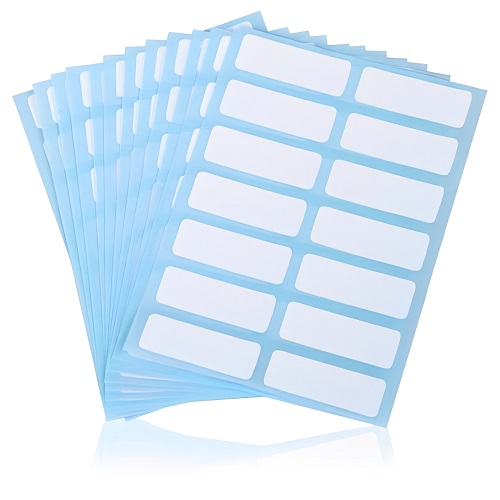
A Self Adhesive Sticker is a pressure-sensitive labeling material that adheres to a surface without requiring water, heat, or solvent activation. These stickers are widely used across packaging, logistics, automotive, electronics, pharmaceuticals, retail branding, and industrial identification systems. Their popularity comes from ease of application, cost efficiency, durability, and compatibility with high-speed automation.
Modern self adhesive stickers are highly engineered products composed of multiple technical layers designed to achieve specific performance characteristics such as temperature resistance, UV stability, chemical durability, removability, and print compatibility.
Understanding the Structure of a Self Adhesive Sticker
A self adhesive sticker is not a single-layer material. It is a multilayer laminate engineered for mechanical stability and adhesive performance.
Core Components
1. Face Stock
The face stock is the printable top layer of the sticker. It determines appearance, durability, flexibility, and printing compatibility.
Common face stock materials include:
- Paper
- Polypropylene (PP)
- Polyethylene (PE)
- Polyester (PET)
- Vinyl (PVC)
- Synthetic films
- Foil laminates
Technical Characteristics
| Material | Durability | Moisture Resistance | Print Quality | Cost |
|---|---|---|---|---|
| Paper | Moderate | Low | Excellent | Low |
| PP Film | High | High | Very Good | Medium |
| PET Film | Very High | Excellent | Excellent | High |
| PVC Vinyl | Flexible | Excellent | Good | Medium |
PET materials are commonly selected for industrial labels due to dimensional stability and thermal resistance.
2. Adhesive Layer
The adhesive layer is the functional component responsible for bonding the sticker to the substrate.
Pressure-sensitive adhesives (PSAs) create adhesion through light pressure and molecular attraction.
Types of Adhesives
Acrylic Adhesives
Characteristics:
- UV resistant
- Excellent aging properties
- Strong temperature resistance
- Good chemical stability
Applications:
- Outdoor labels
- Industrial equipment
- Automotive decals
Rubber-Based Adhesives
Characteristics:
- High initial tack
- Excellent quick bonding
- Lower UV resistance
Applications:
- Packaging
- Carton sealing
- Temporary labels
Silicone Adhesives
Characteristics:
- High-temperature resistance
- Excellent release properties
- Specialized industrial use
Applications:
- Electronics
- Aerospace
- High-temperature masking
3. Release Liner
The release liner protects the adhesive before application.
Common liner materials include:
- Glassine paper
- Kraft paper
- PET release films
The liner is coated with silicone to ensure controlled release characteristics.
Adhesion Science and Performance Mechanisms
Pressure Sensitive Adhesion
Self adhesive stickers rely on viscoelastic behavior to form surface contact.
The adhesive must simultaneously provide:
- Wetting capability
- Cohesion strength
- Surface energy compatibility
- Shear resistance
Surface Energy Considerations
Adhesion quality depends heavily on substrate surface energy.
High Surface Energy (HSE) Materials
Examples:
- Stainless steel
- Glass
- Aluminum
These surfaces generally provide strong adhesion.
Low Surface Energy (LSE) Materials
Examples:
- Polypropylene
- Polyethylene
- Powder-coated surfaces
These require specially formulated adhesives.
Manufacturing Process of Self Adhesive Stickers
Step 1: Coating
The adhesive is coated onto the release liner using techniques such as:
- Slot die coating
- Gravure coating
- Mayer rod coating
- Knife-over-roll coating
Uniform coating thickness is critical for consistent performance.
Step 2: Laminating
The face stock is laminated onto the adhesive-coated liner under controlled pressure and temperature.
Important parameters include:
- Web tension
- Nip pressure
- Lamination speed
- Temperature consistency
Step 3: Curing
Depending on adhesive chemistry, curing may involve:
- UV curing
- Thermal curing
- Solvent evaporation
- Electron beam curing
Improper curing can reduce adhesive strength and shelf life.
Step 4: Die Cutting
Rotary or flatbed die cutting converts large rolls into individual sticker shapes.
Technical challenges include:
- Matrix stripping
- Cutting depth control
- Registration accuracy
- Edge cleanliness
Step 5: Printing
Printing technologies vary according to production volume and application requirements.
Common Printing Technologies
Flexographic Printing
Advantages:
- High-speed production
- Cost-effective for large runs
- Wide ink compatibility
Digital Printing
Advantages:
- Variable data printing
- Short-run flexibility
- Fast turnaround
Screen Printing
Advantages:
- Thick ink deposition
- Durable outdoor graphics
- High opacity
Thermal Transfer Printing
Advantages:
- Barcode durability
- Industrial traceability
- Chemical resistance
Technical Performance Parameters
Adhesion Strength
Measured using:
- Peel adhesion tests
- Tack tests
- Shear tests
Industry standards include:
- ASTM D3330
- FINAT methods
- PSTC standards
Temperature Resistance
Industrial stickers may require operation between:
-40°C to +150°C
High-temperature labels often use PET face stock with acrylic adhesives.
Chemical Resistance
Industrial labels may encounter:
- Oils
- Solvents
- Acids
- Alkaline cleaners
Chemical resistance depends on:
- Adhesive formulation
- Laminate coatings
- Ink systems
UV Resistance
Outdoor stickers degrade under ultraviolet exposure.
UV-resistant labels use:
- UV-stable pigments
- Protective laminates
- Acrylic adhesives
Abrasion Resistance
Important for:
- Asset labels
- Automotive decals
- Warehouse labels
Methods of improvement include:
- Overlamination
- Varnishing
- Hard coatings
Industrial Applications
Packaging Industry
Applications include:
- Product branding
- Barcode labeling
- Nutritional information
- Tamper evidence
Packaging labels must support:
- High-speed automation
- Moisture exposure
- Refrigeration environments
Logistics and Warehousing
Self adhesive stickers are essential for:
- Inventory management
- Shipping labels
- QR code systems
- RFID integration
Key technical requirements:
- Scan reliability
- Thermal stability
- Adhesion to corrugated surfaces
Automotive Industry
Automotive labels face extreme conditions:
- Heat
- Oil exposure
- Vibration
- UV radiation
Specialized labels include:
- VIN labels
- Tire labels
- Engine compartment labels
- Safety markings
Pharmaceutical Industry
Pharmaceutical labels require:
- Regulatory compliance
- Tamper evidence
- Sterilization resistance
- Cryogenic stability
Materials must comply with:
- FDA regulations
- GMP standards
- ISO requirements
Electronics Industry
Electronics labels must provide:
- Heat resistance
- Static control
- Fine print resolution
- Solvent resistance
Applications:
- PCB labeling
- Warranty seals
- Component tracking
Specialty Self Adhesive Stickers
Removable Adhesive Stickers
Designed for clean removal without residue.
Applications:
- Promotional campaigns
- Retail pricing
- Temporary signage
Permanent Adhesive Stickers
Provide aggressive long-term bonding.
Applications:
- Asset tracking
- Industrial identification
- Safety labels
Tamper-Evident Stickers
These destruct or reveal evidence upon removal.
Technologies include:
- Void patterns
- Fragile films
- Security cuts
Used in:
- Pharmaceuticals
- Electronics
- Warranty protection
RFID Self Adhesive Labels
RFID-enabled labels combine:
- Adhesive technology
- Embedded antennas
- Microchips
Applications:
- Smart logistics
- Warehouse automation
- Retail inventory systems
Environmental and Sustainability Considerations
Recycling Challenges
Conventional self adhesive labels create issues in:
- Plastic recycling
- Paper pulping
- Adhesive contamination
Sustainable Innovations
Modern developments include:
- Water-based adhesives
- Biodegradable face stocks
- Recyclable liners
- Linerless label technology
Linerless Labels
Linerless systems eliminate release liners entirely.
Advantages:
- Reduced waste
- Lower transportation costs
- Increased roll capacity
Challenges:
- Adhesive control
- Printer compatibility
- Blocking prevention
Quality Control and Testing
Common Quality Tests
Peel Adhesion Test
Measures force required for removal.
Loop Tack Test
Measures instant bonding capability.
Shear Resistance Test
Measures resistance to sliding under load.
Environmental Aging Test
Evaluates long-term durability under:
- Humidity
- UV
- Thermal cycling
Common Failure Modes
Adhesive Failure
Occurs when the adhesive detaches from the surface.
Causes:
- Contaminated substrate
- Low surface energy
- Incorrect adhesive selection
Cohesive Failure
Occurs when adhesive splits internally.
Causes:
- Excessive stress
- Poor curing
- Temperature overload
Face Stock Failure
Examples:
- Cracking
- Shrinkage
- Delamination
Common in harsh industrial environments.
Future Trends in Self Adhesive Sticker Technology
Smart Labels
Integration with:
- NFC technology
- RFID systems
- IoT platforms
Nanotechnology Coatings
Advanced coatings improve:
- Scratch resistance
- Anti-counterfeiting
- Antimicrobial properties
Digital Variable Data Printing
Allows:
- Serialization
- Mass customization
- Real-time traceability
Especially important in:
- Pharmaceuticals
- Food safety
- Logistics
Self adhesive stickers are highly sophisticated engineered products that combine polymer science, adhesive chemistry, precision coating technology, and advanced printing systems. Their performance depends on careful optimization of face stock materials, adhesive formulations, release liners, and manufacturing parameters.
As industries continue demanding smarter, more durable, and environmentally sustainable labeling solutions, self adhesive sticker technology is evolving rapidly through innovations in RFID integration, sustainable materials, smart coatings, and digital printing.
From simple retail branding to mission-critical industrial identification systems, self adhesive stickers remain an indispensable component of modern manufacturing, logistics, packaging, and product traceability ecosystems.