



Semi-Gloss Paper: Properties, Applications, and How to Choose the Right Paper for Printing and Packaging
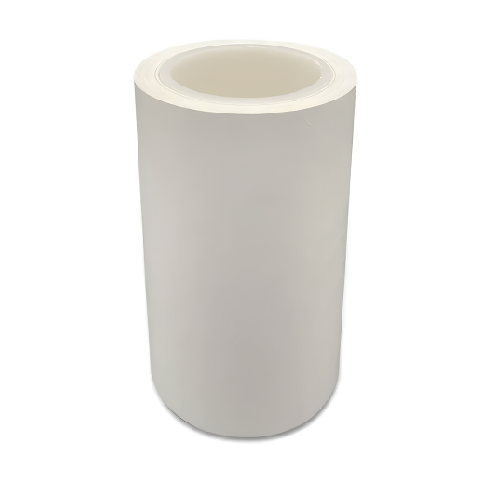
Semi-gloss paper is widely used in commercial printing, product labeling, promotional materials, and packaging because it offers a practical balance between visual appeal and everyday functionality. Its smooth surface and moderate sheen help printed colors appear more vibrant than on standard uncoated paper, while avoiding the highly reflective finish associated with glossy paper.
For businesses selecting printing materials, however, appearance is only one consideration. Surface coating, paper weight, print compatibility, moisture resistance, and intended application all influence the final result.
Understanding these factors can help buyers, printing companies, and packaging manufacturers select semi-gloss paper that meets their visual and technical requirements.
What Is Semi-Gloss Paper?
Semi-gloss paper is a coated paper with a smooth surface and a moderate level of gloss. It is designed to improve print quality by controlling ink absorption and creating a more uniform printing surface.
Unlike uncoated paper, which allows ink to penetrate more freely into its fibers, semi-gloss paper typically has a coating that helps ink remain closer to the surface. This improves image definition, color consistency, and detail reproduction.
Its finish sits between matte and high-gloss paper:
-
Matte paper: Has a low-reflective surface with minimal glare and a relatively understated appearance.
-
Semi-gloss paper: Provides a subtle sheen, balanced color reproduction, and moderate light reflection.
-
Glossy paper: Has a more reflective finish that emphasizes color intensity and visual contrast.
The exact appearance and performance of semi-gloss paper depend on its coating formulation, base paper, surface smoothness, and manufacturing process.
Key Characteristics of Semi-Gloss Paper
When evaluating semi-gloss paper, buyers should look beyond its appearance and consider several technical characteristics.
Surface Smoothness and Moderate Shine
One of the defining features of semi-gloss paper is its relatively smooth surface. The coating reduces surface irregularities, helping produce clearer printed images and more consistent color coverage.
Its moderate sheen also makes it suitable for applications where visual presentation matters but excessive reflection is undesirable.
Color Reproduction and Image Clarity
The coated surface helps improve the reproduction of photographs, graphics, logos, and fine details.
For commercial printing, this can be particularly useful when printed materials contain product images, brand colors, or detailed illustrations.
However, actual color performance depends on the printing process, ink formulation, and paper specifications. A printing test is recommended when color accuracy is critical.
Ink Absorption and Drying Performance
Semi-gloss paper generally absorbs ink differently from uncoated paper. Its coating can reduce ink penetration and influence how quickly ink dries or sets.
This characteristic should be considered when choosing between offset, digital, inkjet, and other printing methods.
A paper that performs well on one printing system may not deliver the same results on another.
Paper Weight and Thickness
Semi-gloss paper is available in different grammages and thicknesses to meet different application requirements.
Grammage, measured in grams per square meter (gsm), indicates the mass of paper per unit area. It is not the same as thickness or stiffness.
For example, lightweight paper may be suitable for inserts and promotional materials, while heavier grades may be more appropriate for brochures, covers, and certain packaging applications.
Buyers should confirm both grammage and caliper when physical thickness matters.
Common Applications of Semi-Gloss Paper
Semi-gloss paper is used across several industries because it combines attractive print presentation with practical handling characteristics.
Product Labels and Brand Identification
Product labels often need to communicate product information while maintaining a professional appearance.
Semi-gloss paper can provide a clean printing surface for brand logos, product descriptions, barcodes, and promotional graphics.
For label applications, buyers should also consider adhesive compatibility, label-converting requirements, moisture exposure, and whether additional protective coatings are needed.
Brochures and Marketing Materials
Brochures, product catalogs, promotional leaflets, and company profiles frequently use coated paper to improve the appearance of printed images.
Semi-gloss paper offers a balanced finish that makes product photographs and graphics stand out without creating the strong reflections sometimes associated with high-gloss materials.
It can be particularly suitable for marketing materials that customers need to read and handle.
Commercial Printing
In commercial printing, semi-gloss paper can be used for flyers, promotional inserts, product information sheets, and other printed communication materials.
Its surface characteristics support relatively detailed image reproduction and consistent visual presentation.
The appropriate grade depends on printing equipment, production volume, finishing requirements, and budget.
Packaging and Paper-Based Promotional Products
Certain packaging inserts, product sleeves, and presentation materials can also use semi-gloss paper.
For these applications, visual quality should be evaluated alongside folding performance, surface durability, stiffness, and compatibility with subsequent processing.
Semi-gloss paper is not automatically suitable for every packaging environment. Products exposed to humidity, oil, water, or heavy friction may require additional functional coatings or alternative substrates.
Semi-Gloss Paper vs. Matte Paper vs. Glossy Paper
Choosing the right paper finish requires understanding how different surfaces affect both appearance and functionality.
| Comparison | Matte Paper | Semi-Gloss Paper | Glossy Paper |
|---|---|---|---|
| Surface appearance | Low shine | Moderate shine | High shine |
| Light reflection | Low | Medium | High |
| Image presentation | Soft and understated | Balanced and vibrant | Bright and vivid |
| Fingerprint visibility | Generally low | Depends on coating | Depends on coating |
| Common applications | Documents and premium print materials | Brochures, labels, catalogs | Photo prints and promotional graphics |
There is no universally superior finish.
Matte paper may be preferable when readability and a subdued appearance are priorities. Glossy paper may be more appropriate when maximum visual impact is required. Semi-gloss paper provides an alternative when businesses want a balance between these characteristics.
How to Choose the Right Semi-Gloss Paper
Selecting suitable semi-gloss paper involves more than choosing a particular grammage. Buyers should evaluate the complete requirements of the intended application.
Step 1: Identify the Printing Method
Different printing technologies have different paper compatibility requirements.
Before purchasing, confirm whether the paper is suitable for:
-
Offset printing
-
Digital laser printing
-
Inkjet printing
-
Flexographic printing
-
Other specialized printing processes
Pay attention to coating compatibility, ink adhesion, drying behavior, and feeding performance.
Step 2: Select the Appropriate Grammage
Paper weight should match the intended use.
Lightweight grades may work for inserts and promotional sheets, while heavier grades can provide better rigidity for brochures and covers.
Avoid selecting paper based on gsm alone. Caliper, stiffness, and folding characteristics should also be considered.
Step 3: Evaluate Surface Quality
Surface consistency influences printing results.
Important factors include:
-
Surface smoothness
-
Gloss level
-
Coating uniformity
-
Whiteness and brightness
-
Surface strength
-
Resistance to picking or coating damage
For large printing orders, requesting samples can help identify potential issues before mass production.
Step 4: Consider Environmental Conditions
The surrounding environment can influence paper performance.
Humidity changes may affect paper dimensions, flatness, and feeding stability. Applications involving water, oil, or frequent handling may require additional protective treatments.
Where moisture resistance or chemical resistance is important, buyers should request specific performance data rather than assuming that a semi-gloss finish provides these properties.
Step 5: Check Finishing and Converting Requirements
Some printed materials require additional processing after printing, including:
-
Lamination
-
Varnishing
-
Die cutting
-
Folding
-
Creasing
-
Adhesive application
The paper must be compatible with these processes.
For example, a coating that produces excellent print quality may behave differently during folding or creasing. Testing the complete production process is more reliable than evaluating the paper surface alone.
Important Quality Indicators When Purchasing Semi-Gloss Paper
For professional buyers, quality evaluation should be based on measurable specifications rather than appearance alone.
The following indicators are worth discussing with a paper manufacturer or supplier.
Grammage (GSM): Determines the mass per square meter and helps establish whether the paper meets the required weight specification.
Caliper: Measures paper thickness and is important for applications requiring specific rigidity or dimensional characteristics.
Gloss Level: Indicates how much light the surface reflects. The required gloss should match the intended visual effect.
Brightness and Whiteness: Influence the overall appearance of the printed material and can affect perceived color reproduction.
Surface Strength: Helps determine whether the coating can withstand printing and converting operations without excessive damage.
Moisture Content: Influences dimensional stability, paper handling, and performance during printing.
Coating Uniformity: Consistent coating helps reduce variations in surface appearance and print quality.
Depending on the application, buyers may also request test results for ink adhesion, rub resistance, folding endurance, and water resistance.
A reliable purchasing decision should be supported by agreed specifications, sample approval, and quality checks during production.
Common Problems and How to Avoid Them
Even when the correct paper finish is selected, unsuitable specifications or production conditions can affect the final printing result.
Uneven Color Appearance
Uneven coating, inconsistent ink application, or incorrect printing settings may cause visible color differences.
How to avoid it: Confirm paper consistency, calibrate printing equipment, and conduct color testing before full production.
Ink Drying or Adhesion Problems
A coated surface can affect ink setting and adhesion, especially when the paper is used with an incompatible printing system.
How to avoid it: Verify printing compatibility with the supplier and test the actual ink and paper combination.
Curling and Dimensional Changes
Paper can curl or change dimensions due to moisture imbalance, unsuitable storage conditions, or differences between the paper's two surfaces.
How to avoid it: Store paper in appropriate environmental conditions and allow it to acclimatize before printing.
Surface Scratches and Scuffing
Printed surfaces may become scratched during transportation, stacking, or handling.
How to avoid it: Evaluate rub resistance and consider protective varnishing or lamination where necessary.
Why Working with the Right Paper Manufacturer Matters
For businesses purchasing semi-gloss paper in commercial quantities, supplier selection is an important part of quality management.
A capable paper manufacturer should be able to provide clear product specifications, consistent production quality, and technical support during material selection.
Before placing an order, buyers should consider:
-
Whether the manufacturer can supply the required grammage and thickness.
-
Whether coating characteristics can meet the intended printing requirements.
-
Whether product samples are available for testing.
-
Whether production quality can remain consistent between batches.
-
Whether the supplier can support customized specifications.
-
Whether packaging and transportation arrangements protect the paper from moisture and physical damage.
It is also useful to communicate the final application rather than simply requesting semi-gloss paper. A manufacturer can make more relevant recommendations when it understands the printing process, intended product, finishing requirements, and expected operating conditions.