


Premium packaging and labels are increasingly judged on shelf impact. A glossy surface that looks like a mirror can change how a buyer perceives a product within seconds. Cast-coated paper is one of the few paper grades that delivers this effect without laminating film onto the sheet.
What Is Cast-Coated Paper?
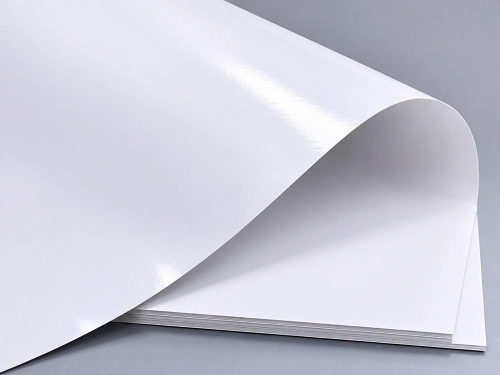
Cast-coated paper is a specialty coated paper with an exceptionally smooth, high-gloss finish on one side. The gloss comes from the manufacturing method, not from a varnish or film applied afterwards. A coated base paper is pressed against a heated, highly polished metal cylinder, called a cast-coating cylinder or drum. The coating takes on the cylinder's mirror-like surface as it sets.
This is why cast-coated paper is usually positioned as a premium material. Conventional gloss papers get their shine from calendering, which presses the dried sheet between rollers. Cast coating shapes the coating while it is still plastic, so the finished surface is smoother and more uniform.
How the Cast-Coating Process Works
Exact formulations differ between mills, but the process generally follows these stages:
- Base paper preparation. A base sheet with consistent formation and a controlled moisture level is selected. Uneven base paper shows up later as mottling in the gloss, so this step matters more than it might seem.
- Pigment coating. A coating made of mineral pigments (typically kaolin clay and/or calcium carbonate) and binders is applied to the base paper in a wet state.
- Contact with the polished cylinder. While the coating is still wet or plastic, the sheet is brought into contact with the heated, polished drum. The coating conforms to the drum surface.
- Drying and release. The coating sets against the drum and then separates from it, leaving a glossy, smooth finish that mirrors the cylinder's surface.
- Finishing and inspection. The paper is checked for gloss, smoothness, coating defects and dimensional consistency before it is slit or sheeted.
In practice, the cylinder's surface condition, the coating's rheology and the drying conditions all affect the result. A scratch or contamination on the drum can repeat as a surface defect, which is one reason consistent quality control is a real differentiator between suppliers.
Key Performance Characteristics
According to the product information published by Zhejiang Wanbaolong Adhesive Products Co., Ltd., cast-coated paper is valued for the following properties:
- High gloss and smoothness. The mirror-like surface improves color vibrancy and fine-detail reproduction, which matters for photographic images and small type.
- Good print quality. The smooth, controlled surface helps ink sit evenly and limits feathering, giving sharper, more intense color.
- Stiffness and durability. Cast-coated sheets typically feel firm and resist bending, creasing and scratching during converting and handling.
- High opacity and brightness. These reduce show-through, which helps when the reverse side is also printed.
- Finishing flexibility. The paper can be varnished, laminated or embossed for luxury packaging and special print jobs.
- Release behavior. The smooth coating separates cleanly from adhesives and coatings, which is why the grade also appears in release-paper and production-process applications.
Cast-Coated vs. Other Coated Papers
The table below summarizes how cast-coated paper generally compares with two common alternatives. The comparison is qualitative. Exact figures vary by mill, grammage and coating formulation, so always confirm against a technical data sheet.
| Attribute | Cast-Coated Paper | Calendered Gloss Coated Paper | Matte Coated Paper |
|---|---|---|---|
| How the finish is created | Coating shaped against a heated polished cylinder | Dried sheet pressed between calender rolls | Coating formulated and finished for low gloss |
| Gloss level | Very high, mirror-like | High to medium-high | Low |
| Surface smoothness | Excellent on the cast side | Good | Moderate |
| Color vibrancy | Very strong, high contrast | Strong | Softer, more subdued |
| Typical positioning | Premium packaging, labels, covers | General commercial print | Text-heavy, readability-focused print |
| Relative cost | Higher | Moderate | Moderate |
| Recyclability | More challenging because of coating and finishing | Generally easier | Generally easier |
Where Cast-Coated Paper Performs Best
- Luxury packaging and labeling. Cosmetics, fragrances, electronics and gourmet foods benefit from the premium look. For adhesive labels, the glossy face material also gives a strong first impression on the shelf.
- Brochures and catalogs. Vivid imagery and a high-quality feel help promotional pieces stand out.
- Magazine covers and inserts. Covers and high-impact inserts depend on surface smoothness and color intensity.
- Greeting cards and invitations. Upscale stationery and event materials use the gloss and rigidity for a polished result.
- Photographic and art reproduction. Fine detail and color fidelity are easier to hold on a smooth surface.
- Release-paper and industrial uses. Where a smooth surface that separates cleanly from adhesives or coatings is needed, the grade can serve as a release substrate.
Practical Selection Checklist
Based on common converting and print-shop experience, these questions help avoid costly mistakes:
- Which side will be printed? Only the cast side carries the mirror finish. Confirm the orientation before ordering and before press setup.
- Which ink or toner system will you use? A very smooth, low-absorbency surface can slow ink drying. Test your ink, drying method and varnish compatibility on a small run first.
- Will the sheet be laminated, varnished or embossed? The paper supports these finishes, but adhesion and curing should be verified on the actual job.
- How will it be handled and stored? A glossy surface can show scuffs and fingerprints. Careful handling, clean storage and stable humidity help preserve the finish.
- What are the sustainability requirements? Coated and finished papers can be harder to recycle than uncoated or matte grades. If recyclability is a project requirement, discuss it with your supplier early.
- Is the price justified by the application? The material costs more, so it makes the most sense where visual impact directly supports brand value, such as premium products and hero packaging.
Common Handling Tips
- Run a short press trial with your actual ink, varnish and laminate before committing to a full production run.
- Allow adequate drying time between printing and post-press operations to reduce marking and set-off.
- Keep rolls and sheets in their original packaging until use, away from moisture and temperature swings.
- Inspect incoming material for coating defects, surface contamination and consistent gloss across the roll or batch.
Sustainability: The Honest Trade-Off
Cast-coated paper is not the easiest grade to recycle. The mineral coating and any added finishes can complicate repulping compared with uncoated or matte-coated paper. Manufacturers continue to develop more environmentally friendly coatings, but buyers should weigh the visual benefit against end-of-life requirements and the regulations in their target markets. For many premium applications, the answer is to use cast-coated material selectively, where its impact is greatest, rather than across an entire product range.
Wanbaolong's Cast-Coated Paper and Related Materials
Zhejiang Wanbaolong Adhesive Products Co., Ltd. offers cast-coated paper for high-end printing, packaging, labeling and specialty applications that require a premium surface finish. The company's wider portfolio helps buyers match the right material to each job. Depending on your project, you may also want to review:
- Paper Series Products for conventional paper-based label and printing materials.
- Special Paper Series Products for projects that need specific surface or performance characteristics.
- PE Coated Paper and Silicon Paper Series Products for release and liner applications.
- Glossy White PET (Coating) and Bright Silver PET (Coating) if you need a film-based alternative with a metallic or glossy look and better moisture resistance.
- Durable Film Series Products for labels exposed to demanding conditions.
- Variable Information Printing materials for barcodes, serialization and data-driven labels.
To learn more about the company, its production capacity and its quality approach, see the About Us and Factory Base pages. Buyers outside China can also check the Global Network page.
Frequently Asked Questions
Is cast-coated paper glossy on both sides?
Typically, the mirror finish is on one side only, the side that contacted the polished cylinder. The reverse side is usually a standard surface. High opacity helps limit show-through when both sides are printed.
Can cast-coated paper be laminated or varnished?
Yes. It is commonly varnished, laminated or embossed for luxury packaging. As with any substrate, run a compatibility test with your specific varnish or laminating film.
Is it more expensive than regular coated paper?
Generally yes, because the process is more specialized. The extra cost is usually justified when visual impact and perceived quality drive the purchase decision.
Is cast-coated paper recyclable?
It can be harder to recycle than uncoated or matte-coated paper because of its coating and finishing. Check local recycling guidelines and discuss options with your supplier.